
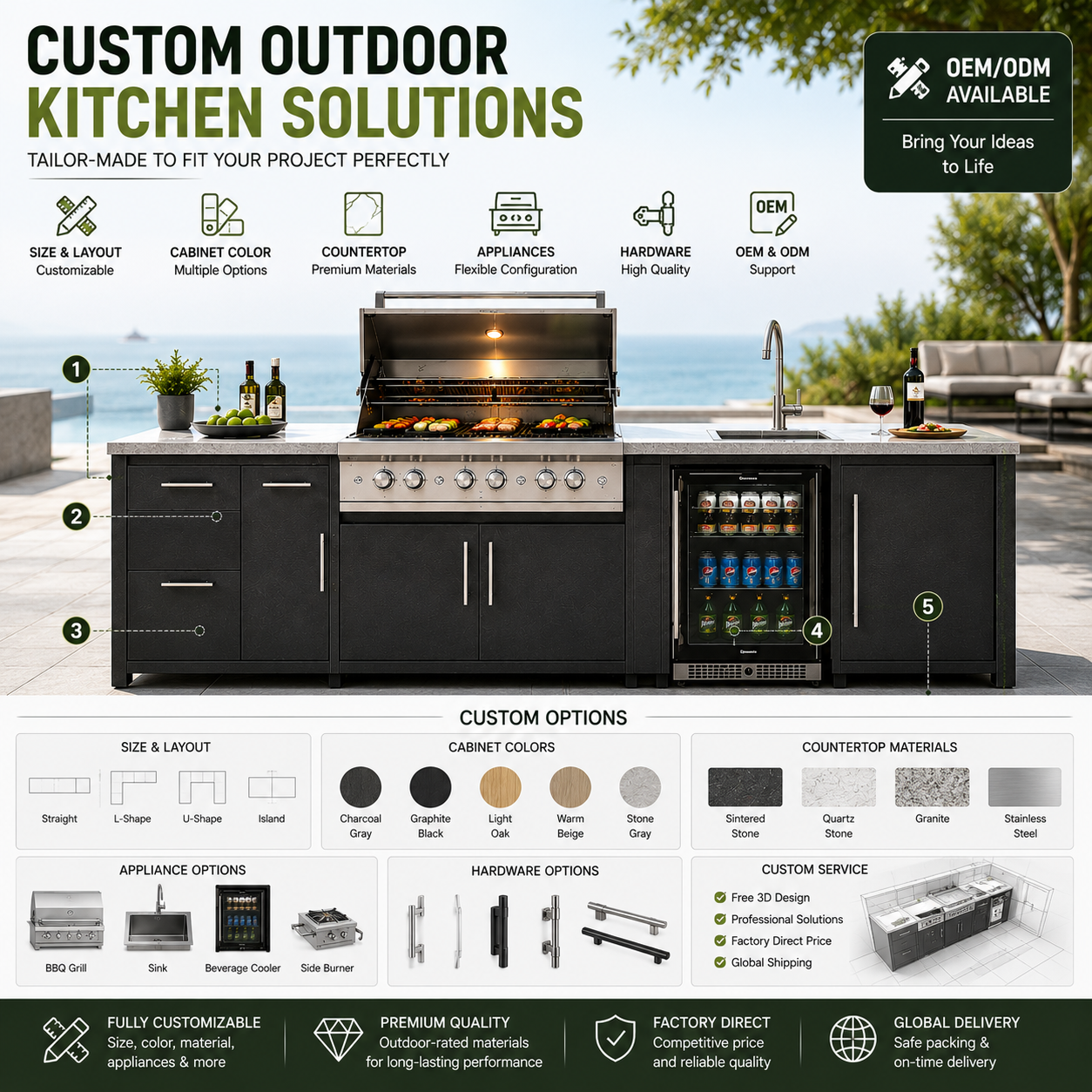
Sourcing Commercial Cabinets for Large-Scale Apartments and Hospitality Projects
Selecting the right commercial cabinets for high-density multi-family developments or luxury hospitality environments involves a complex balance between long-term durability, structural integrity, and architectural aesthetics. Unlike residential millwork, cabinetry destined for high-traffic environments must withstand constant wear while meeting strict regulatory standards and maintaining project timelines. For developers, procurement officers, and interior designers, choosing a manufacturing partner capable of delivering consistent quality at scale remains a primary operational challenge.
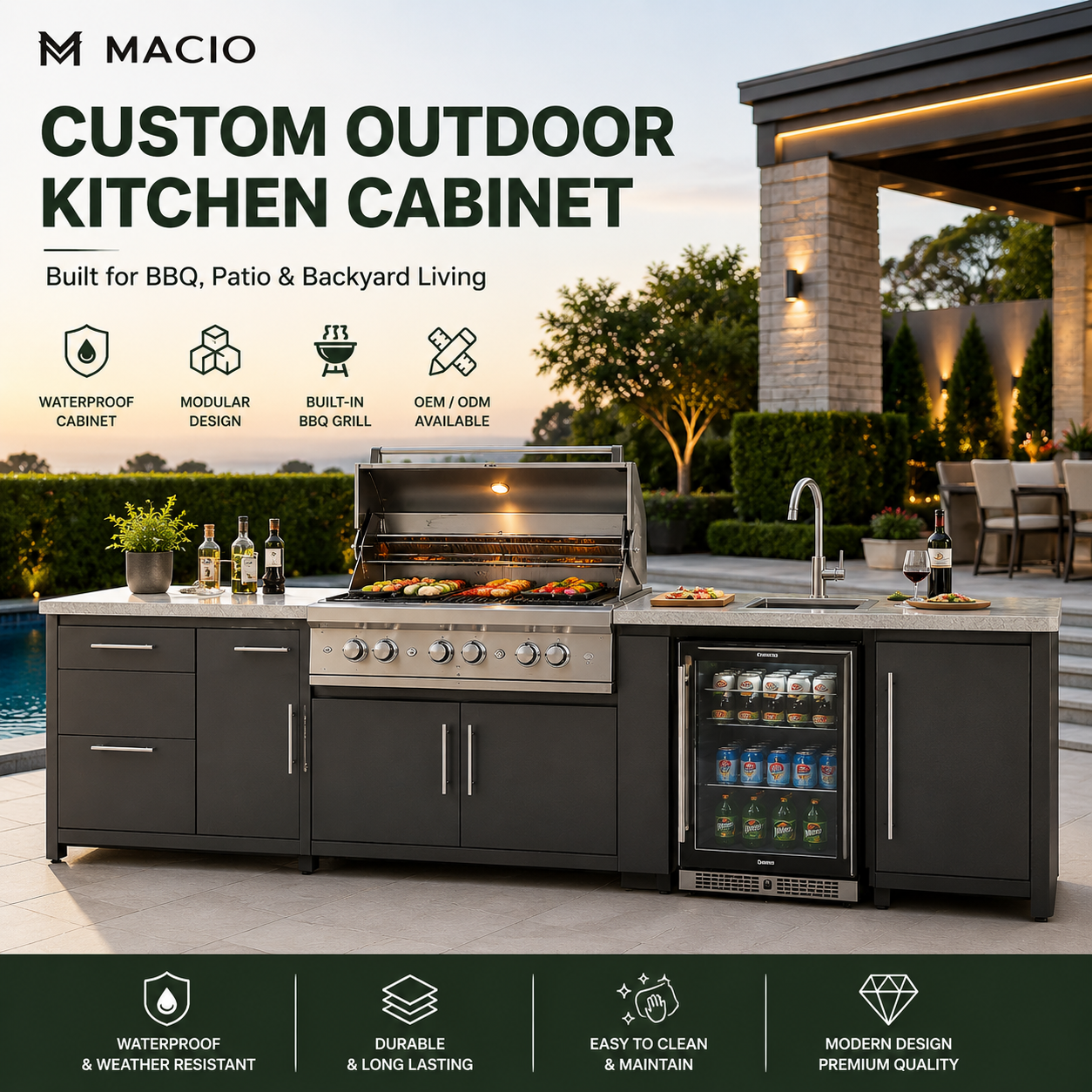
Critical Performance Standards for Commercial Cabinetry
In commercial real estate development, property managers frequently cite cabinet damage as a leading maintenance issue during tenant turnover. Heavy-use environments require construction methods that resist impact, heavy loads, and environmental shifts without compromising the visual identity of the space. Selecting a supplier with verified manufacturing capabilities ensures the finished product withstands the rigors of commercial use.
Structural reliability relies heavily on specific construction methodologies. Hardware must be performance-rated, such as soft-close hinges tested to exceed 50,000 cycles, and cabinet boxes must maintain geometric stability under load. For projects requiring comprehensive bathroom integration, pairing robust millwork with premium plumbing fixtures like a hotel-style stainless steel towel rack creates a cohesive, durable space that minimizes ongoing maintenance costs.
"In high-density residential developments, the true cost of cabinetry is measured over its operational lifecycle. True value lies in minimizing structural failures, moisture damage, and hardware degradation over years of tenant occupancy."
Premium Material Selection and High-Performance Finishes
The core material of apartment cabinets dictates how well the installation performs over time under varying humidity and load conditions. Understanding the engineering differences between substrates allows procurement teams to balance budgets against long-term performance.
- Marine-Grade Plywood: Offers superior structural strength and moisture resistance, making it an excellent choice for luxury kitchen and bathroom vanity bases.
- High-Density Fiberboard (HDF): Provides an exceptionally smooth surface for lacquered or painted finishes, remaining highly stable under changing climate conditions.
- Aluminum and Stainless Steel: Increasingly specified in modern architectural designs due to their complete immunity to water damage, warping, and pests.
Surface finishes must resist scratching, chemical cleaning agents, and UV exposure. High-Pressure Laminates (HPL) and advanced thermofused melamine finishes provide the impact resistance required for commercial projects, offering authentic woodgrain textures without the maintenance challenges of natural timber.
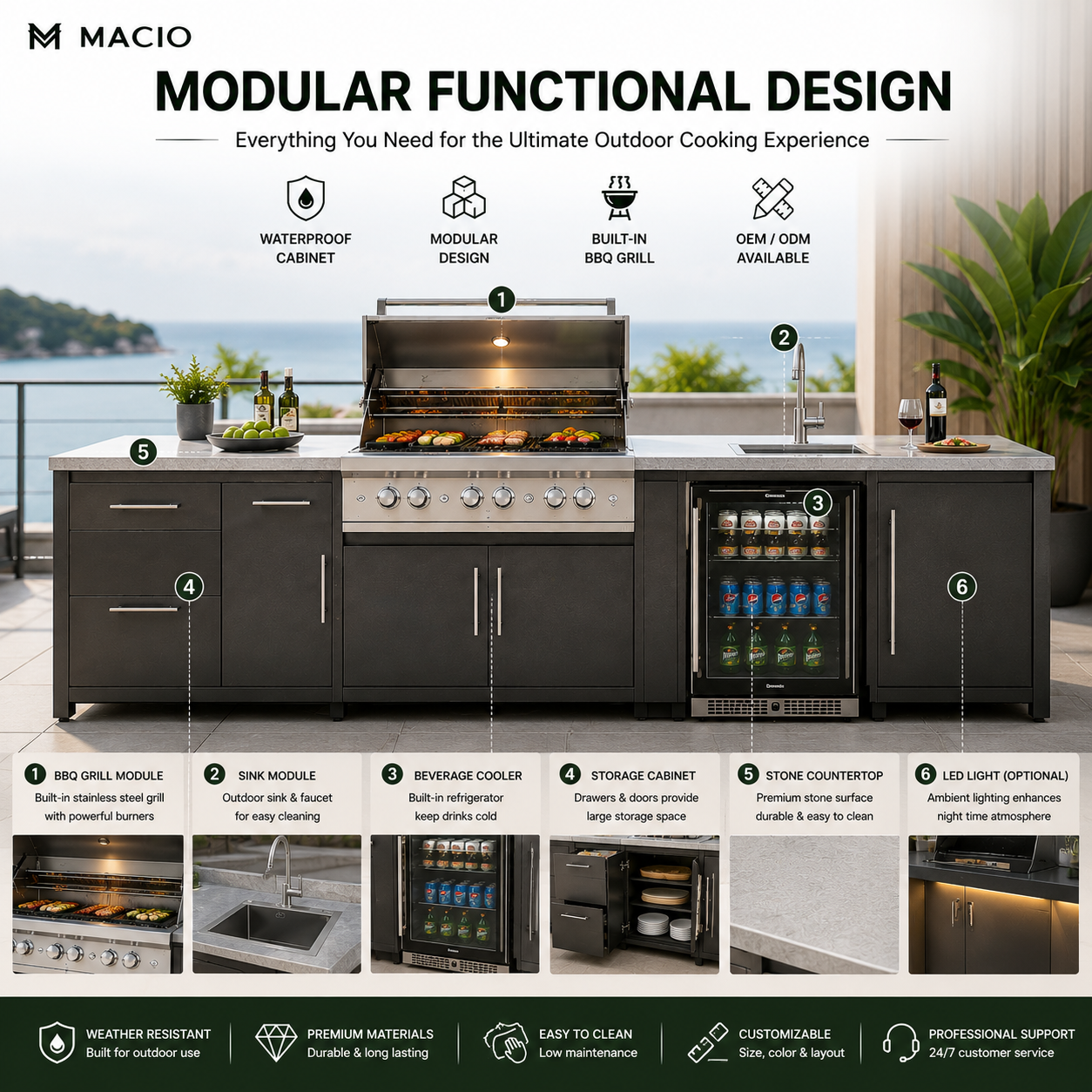
Optimizing Layouts for Hotels and High-Density Apartments
Maximizing spatial efficiency and human traffic flow is central to modern hospitality and multi-family floor plans. Kitchen layouts generally favor L-shaped or single-wall configurations integrated with built-in appliances to create an open feel within limited square footage. In contrast, bathroom designs prioritize smart storage solutions that elevate the guest or resident experience.
Specifying integrated storage units significantly improves space utilization. Utilizing a premium mirror cabinet collection allows developers to offer recessed or surface-mounted storage that hides daily essentials while keeping countertops clear. This approach aligns with the minimalist aesthetic highly valued by global buyers and modern tenants.
Engineering Highlight: Moisture Protection in Wet Zones
Bathrooms and kitchens are high-risk zones for moisture-driven material failure. Delamination and edge-band peeling are common issues with lower-grade furniture. Top-tier commercial cabinets utilize polyurethane (PUR) edge-banding technology, creating an invisible, waterproof seal that prevents moisture infiltration and significantly extends the product's lifespan.
Comparing Cabinet Construction: Commercial vs. Residential
Understanding the structural differences between mass-market residential millwork and true commercial-grade manufacturing is critical for accurate project budgeting and procurement.
- Frameless vs. Framed Construction: Frameless designs maximize accessible interior storage space and offer the clean, flush lines required for European luxury aesthetics.
- Dowel and Cam-Lock Systems: Precision-engineered joinery ensures absolute squareness during factory pre-assembly, reducing on-site installation labor costs.
- Load Capacity: Commercial shelves are specified to support higher weight thresholds without sagging, utilizing support pins rated for heavy continuous loads.
For master suites and executive hospitality units, specifiers often pair premium millwork with high-end fixtures. Incorporating an automated electric heated drying rack alongside custom cabinetry transforms a standard layout into an upscale, spa-like environment that commands higher property valuations.
Strategic Cost and Lead Time Management for B2B Procurement
Large-scale construction projects rely heavily on predictable supply chains and strict timeline management. A delay in cabinet delivery can stall subsequent trades, including plumbing, electrical, and countertop installation, leading to expensive project overruns. Working with an experienced OEM/ODM manufacturer allows procurement teams to streamline logistics and manage budgets effectively through direct factory sourcing.
Optimizing project finances requires analyzing the total cost of ownership, including manufacturing times, shipping logistics, customs clearance, and ease of on-site installation. Opting for flat-pack (RTA) shipping maximizes container volume and reduces ocean freight costs, while pre-assembled cabinetry minimizes local labor costs and accelerates project completion. Choosing the best approach depends on local labor rates and the project's specific timeline requirements.
Get in Touch for Bulk Orders & Project Support
Looking for a reliable supplier of bathroom and kitchen products?
At Bergoto, we provide premium solutions for wholesalers, distributors, contractors, and project buyers worldwide.
- Competitive factory pricing
- OEM & ODM support
- Stable supply for large-scale projects
📩 Email: teli@bergoto.com
📞 WhatsApp/WeChat: +86 18923119142
Our team will respond within 24 hours.
Frequently Asked Questions
What are the primary differences between apartment cabinets and residential cabinets?
Apartment cabinets are engineered for higher frequency use and durability. They utilize thicker structural backs, heavy-duty hardware rated for thousands of cycles, and advanced edge-banding techniques like PUR to resist moisture and impact damage during frequent tenant transitions.
How do you ensure cabinet moisture resistance in humid coastal project locations?
Moisture resistance is achieved by using high-density substrates like marine plywood or treated HDF, combined with high-pressure laminates (HPL) or specialized metallic materials. Fully sealed back panels and precise edge-banding are crucial to prevent humidity from penetrating the core materials.
What is the typical factory lead time for a multi-family commercial cabinet order?
Standard manufacturing lead times for large-scale B2B orders typically range from 30 to 45 days, depending on material customization and order volume. This timeline excludes ocean freight, so procurement planning should begin well in advance of the scheduled installation phase.
Can you manufacture cabinets to match specific architectural drawings and regional building codes?
Yes, comprehensive OEM/ODM manufacturing facilities routinely produce cabinetry based on architectural CAD drawings, ensuring strict compliance with local structural, environmental, and emissions standards, such as CARB Phase 2 or local fire-retardant requirements.