
-
Functionality and Ergonomics:
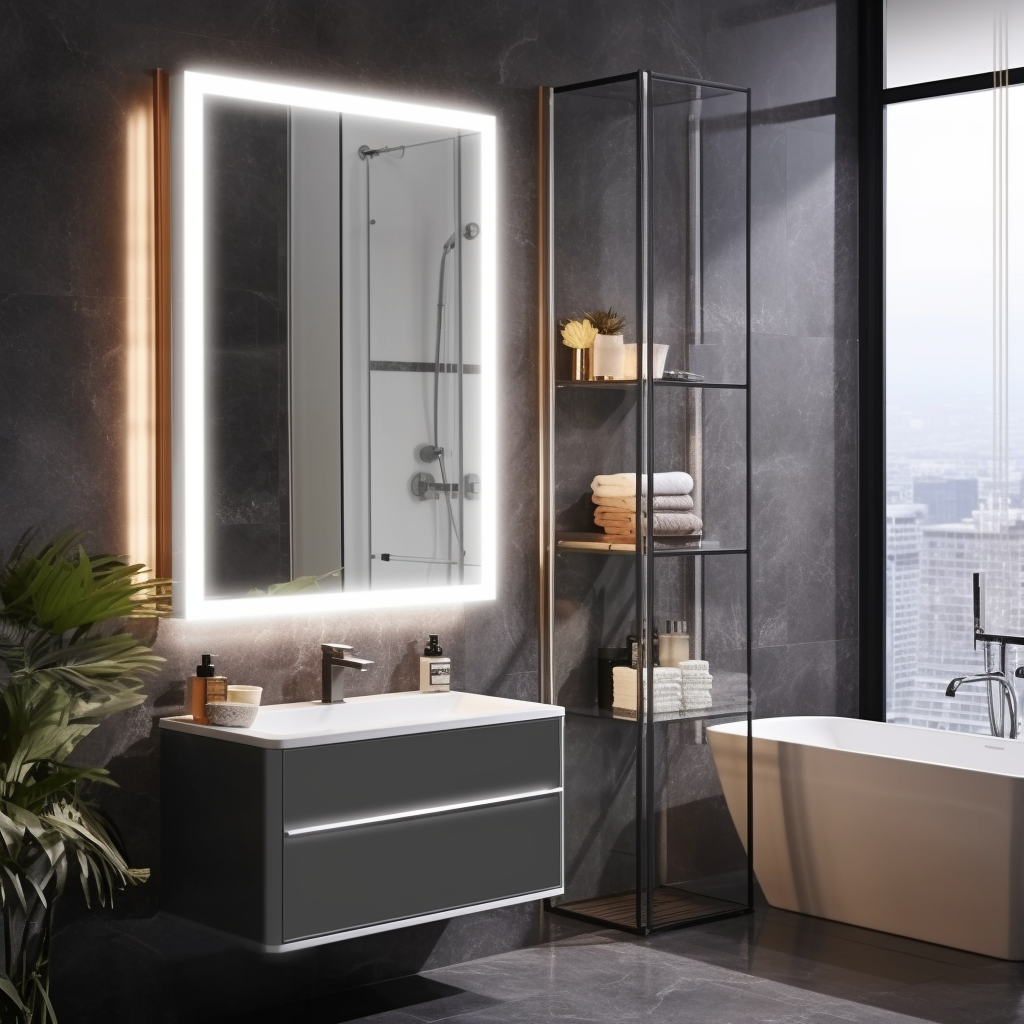
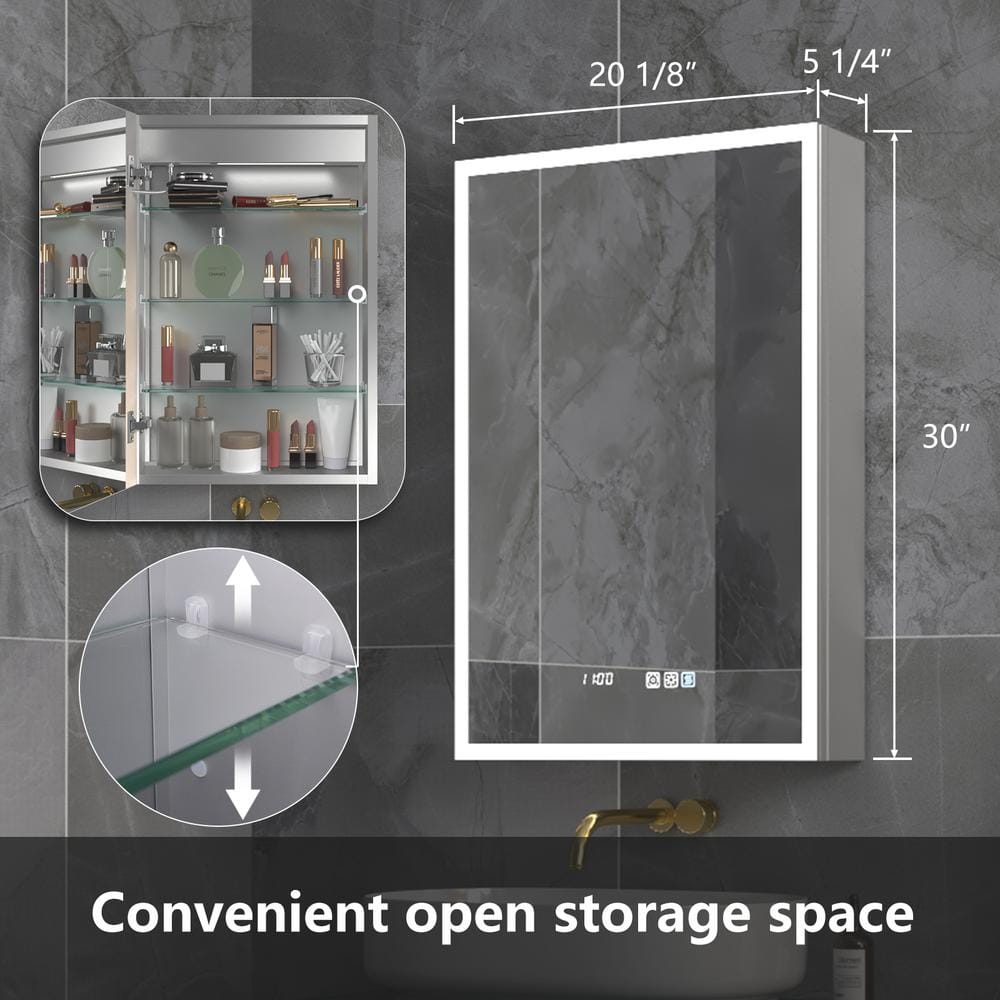
The functionality of a vanity and mirror ensemble is crucial in defining the ideal spatial relationship between the two elements. The primary purpose of a vanity is to provide a designated space for grooming and personal care activities. This necessitates a layout that allows for ease of movement, accessibility to grooming essentials, and proper illumination. Ergonomics, therefore, become a key consideration, as the distance between the vanity and mirror should facilitate comfortable use without causing strain or inconvenience.
-
Aesthetic Harmony:
Beyond mere functionality, the aesthetic appeal of the space is equally important. Interior design seeks to create a visually pleasing and cohesive atmosphere, and the relationship between the vanity and mirror is a central component of this endeavor. The spatial arrangement should align with the overall design theme, taking into account factors such as room size, lighting, and existing decor. Achieving a balance between form and function ensures that the vanity and mirror not only serve their practical purpose but also contribute to the overall aesthetic coherence of the space.
-
Principles of Design:
Applying fundamental design principles is essential when determining the spatial relationship between a vanity and mirror. Proportion, balance, and symmetry are key considerations. The dimensions of the vanity, mirror, and surrounding space should be proportionate to each other, creating a sense of equilibrium. Achieving visual balance is crucial to prevent the space from feeling crowded or disproportionate, thereby enhancing the overall appeal and comfort of the area.
-
Room Size and Layout:
The dimensions of the room play a pivotal role in determining the optimal distance between a vanity and mirror. In smaller spaces, careful consideration must be given to prevent the area from feeling cramped, while larger rooms may allow for more flexibility in placement. Additionally, the layout of the room, including the location of doors, windows, and other fixtures, should inform the decision on the placement of the vanity and mirror to maximize both functionality and visual appeal.
In conclusion, the ideal distance between a vanity and mirror is a multifaceted consideration that involves balancing functionality, aesthetics, and design principles. Achieving a harmonious spatial relationship requires a thoughtful approach that takes into account the specific needs of the user, the dimensions of the room, and the overall design theme. By carefully considering these factors, one can create a space that not only facilitates daily grooming routines but also contributes to the overall ambiance and visual appeal of the room. As with any aspect of interior design, the key lies in finding the perfect equilibrium between form and function.
Welcome to contact us: 👇
📩Email: teli2018@126.com
📞WhatsApp/Wechat: +86 18923119142