
In the realm of bathroom luxuries, few additions offer the same level of comfort and convenience as heated towel rails and towel radiators. These fixtures not only keep towels warm and toasty but also add a touch of elegance to any bathroom space. However, when it comes to choosing between a heated towel rail and a towel radiator, many homeowners find themselves unsure of the differences and which option best suits their needs. In this comprehensive guide, we'll delve into the distinctions between these two fixtures, explore their functionalities, and address common questions surrounding their usage.
-
Heated Towel Rails: A Touch of Elegance and Warmth
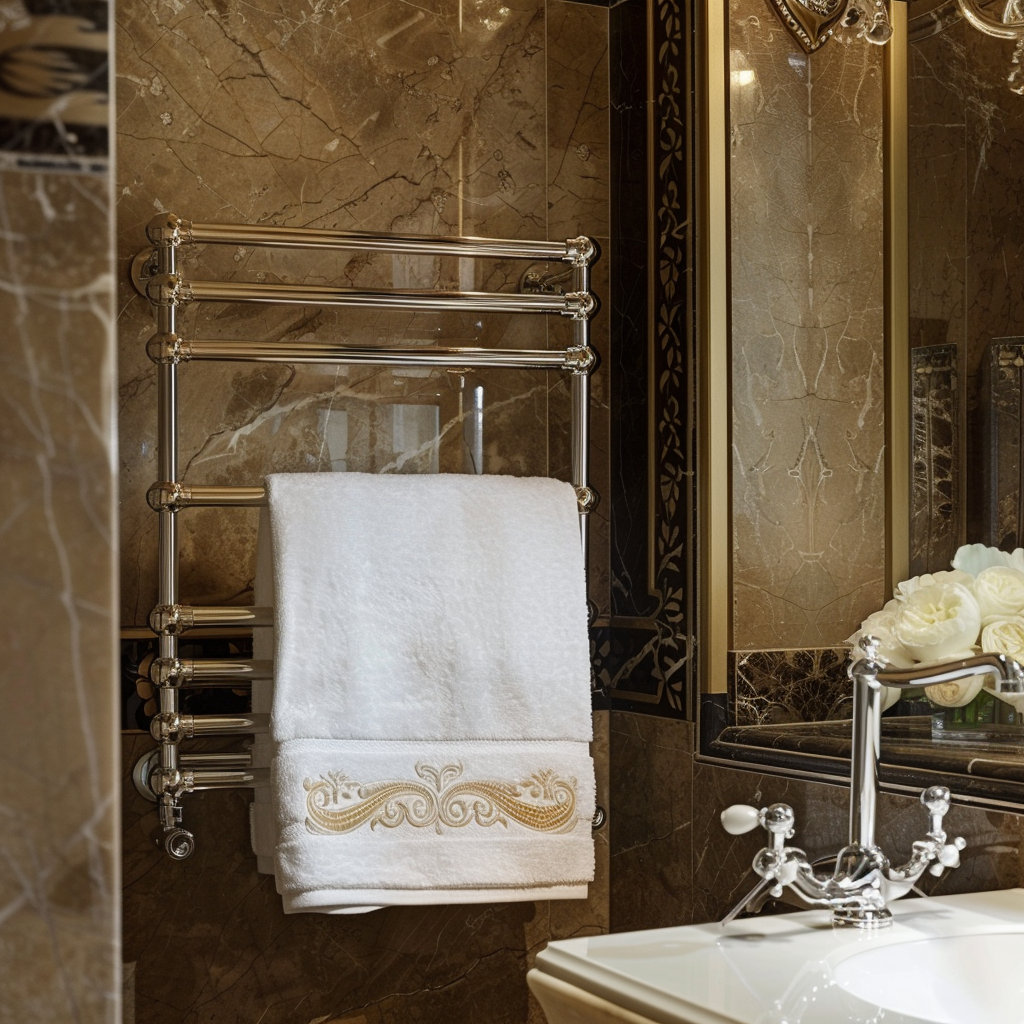
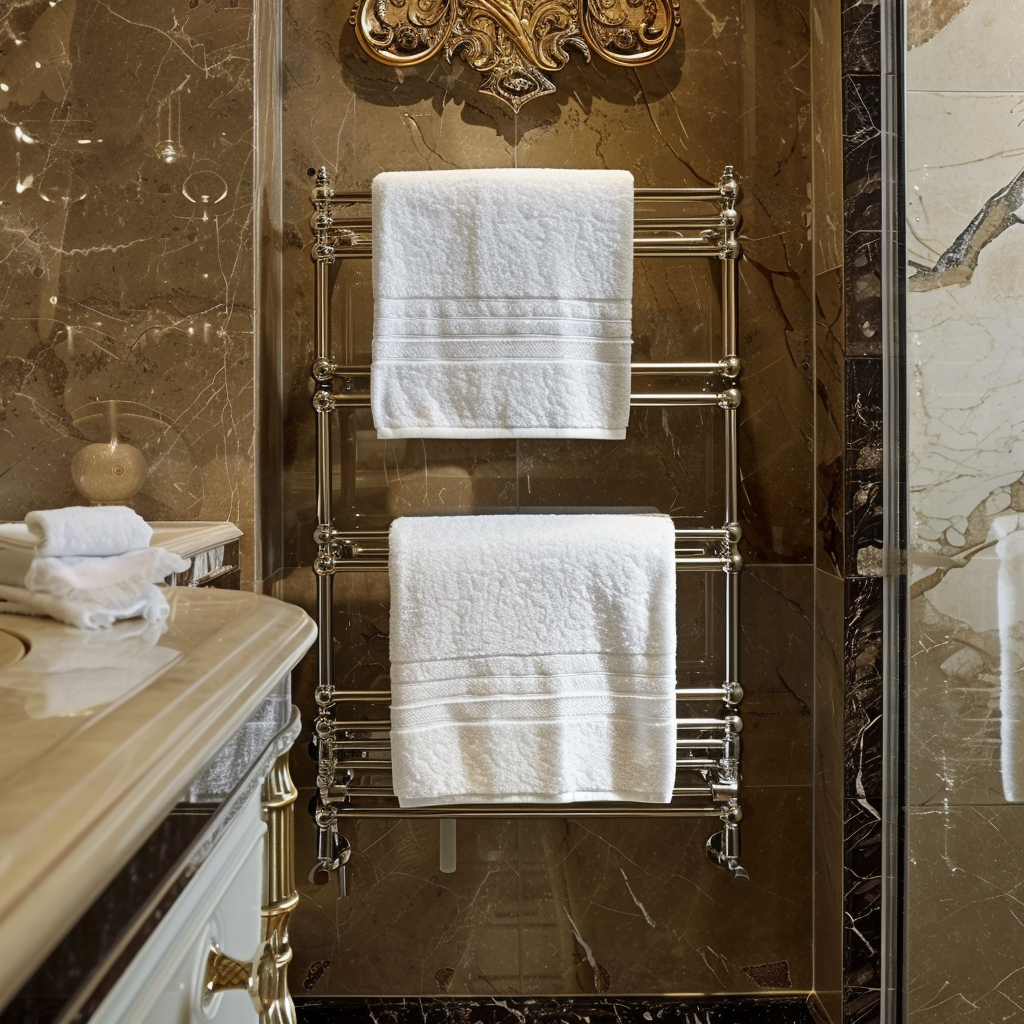
Heated towel rails, also known as towel warmers, are fixtures designed specifically for warming towels and bathrobes. They typically consist of a series of horizontal bars made from materials such as stainless steel or chrome, which are connected to a heating element. When activated, the heating element warms up, transferring heat to the bars and effectively warming the towels placed on them.
-
Towel Radiators: Combining Style with Functionality
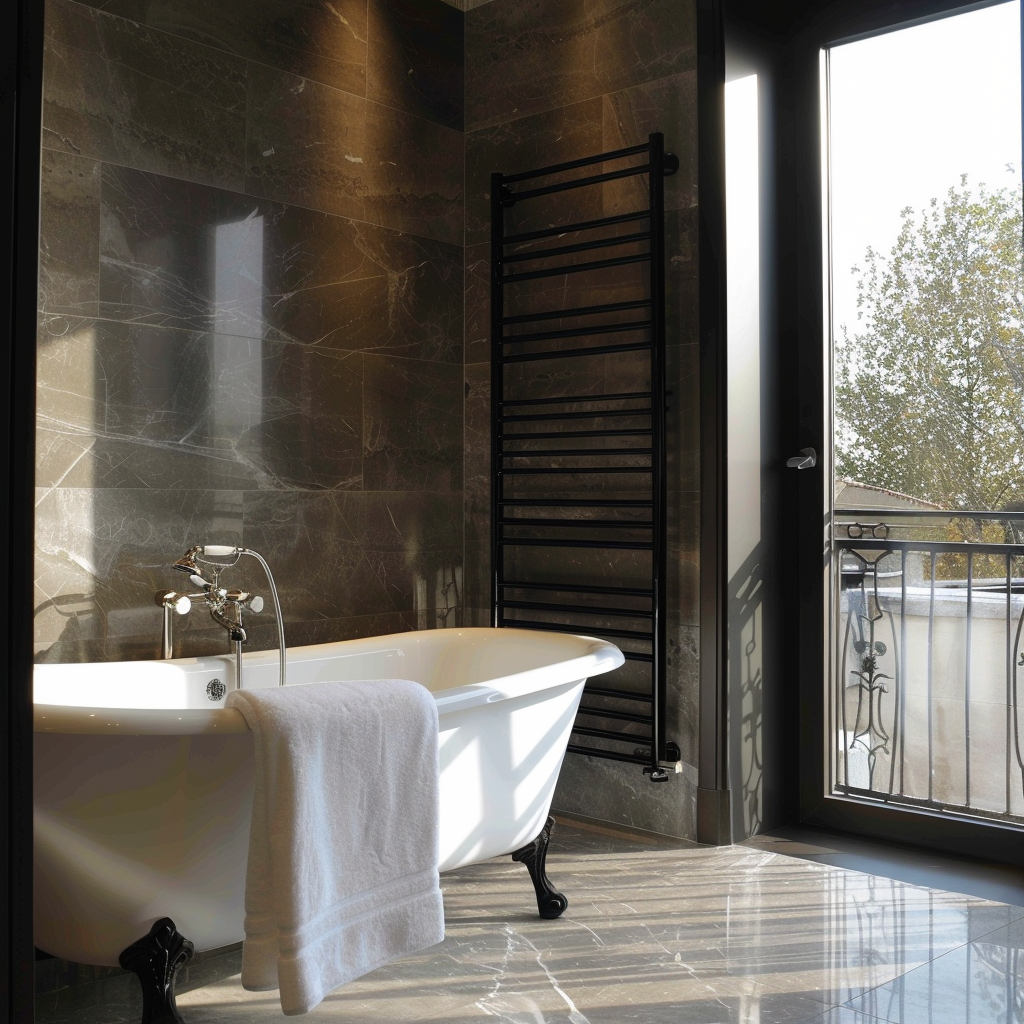
Towel radiators, on the other hand, are a type of radiator specifically designed to also function as a towel warmer. Unlike traditional radiators, which are primarily focused on heating the room, towel radiators feature horizontal bars or panels that serve as a platform for drying and warming towels. They come in various designs, including ladder-style rails and flat-panel radiators, allowing homeowners to choose a style that complements their bathroom decor.
-
Differences Between Heated Towel Rails and Towel Radiators
- **Design and Appearance**: Heated towel rails typically feature a more streamlined and minimalist design, with evenly spaced horizontal bars for hanging towels. In contrast, towel radiators may have a bulkier appearance, with larger panels or ladder-style rails that offer more surface area for drying towels.
-
**Functionality**: Heated towel rails are solely dedicated to warming towels and bathrobes, providing a convenient solution for keeping towels warm and dry. Towel radiators, on the other hand, serve a dual purpose by also functioning as a radiator to heat the bathroom space.
-
**Installation**: Both heated towel rails and towel radiators can be installed as standalone fixtures or as part of a central heating system. However, towel radiators may require more complex installation due to their dual functionality as both a towel warmer and a radiator.
-
**Heat Output**: Heated towel rails typically have a lower heat output compared to towel radiators, as their primary function is to warm towels rather than heat the entire room. Towel radiators, on the other hand, are designed to provide sufficient heat to both warm towels and maintain a comfortable temperature in the bathroom.
-
Do Heated Towel Rails Use a Lot of Electricity?
One common concern among homeowners considering heated towel rails is their energy consumption. While heated towel rails do require electricity to operate, they are designed to be energy-efficient and consume relatively low amounts of power. The exact energy consumption will depend on factors such as the size of the towel rail, the heating element used, and how frequently it is used. Additionally, many modern heated towel rails come with built-in timers or thermostatic controls, allowing users to regulate the heating and minimize energy usage when not needed.
-
How Do Hydronic Towel Rails Work?
Hydronic towel rails, also known as hydronic towel warmers, operate using hot water from a central heating system. Similar to traditional radiators, they are connected to the central heating system via pipes, allowing hot water to circulate through the rails and warm them up. As the hot water flows through the towel rails, it transfers its heat to the metal, effectively warming the towels placed on the rails.
One of the primary advantages of hydronic towel rails is their energy efficiency. Since they rely on the central heating system for heat, they do not require electricity to operate, making them a cost-effective and environmentally friendly option. Additionally, hydronic towel rails provide consistent and uniform heating, ensuring that towels are warmed evenly across the entire rail.
Heated towel rails and towel radiators offer practical solutions for keeping towels warm and dry while adding a touch of style to the bathroom. While both serve the common purpose of towel warming, they differ in design, functionality, and installation requirements. Whether you opt for the sleek simplicity of a heated towel rail or the dual functionality of a towel radiator, incorporating one of these fixtures into your bathroom space is sure to enhance comfort and convenience for years to come.